The Step-by-Step Process for Dental Crowns in Oxnard CA
@stephenrzhn314
September 28, 2026 · 15 min read
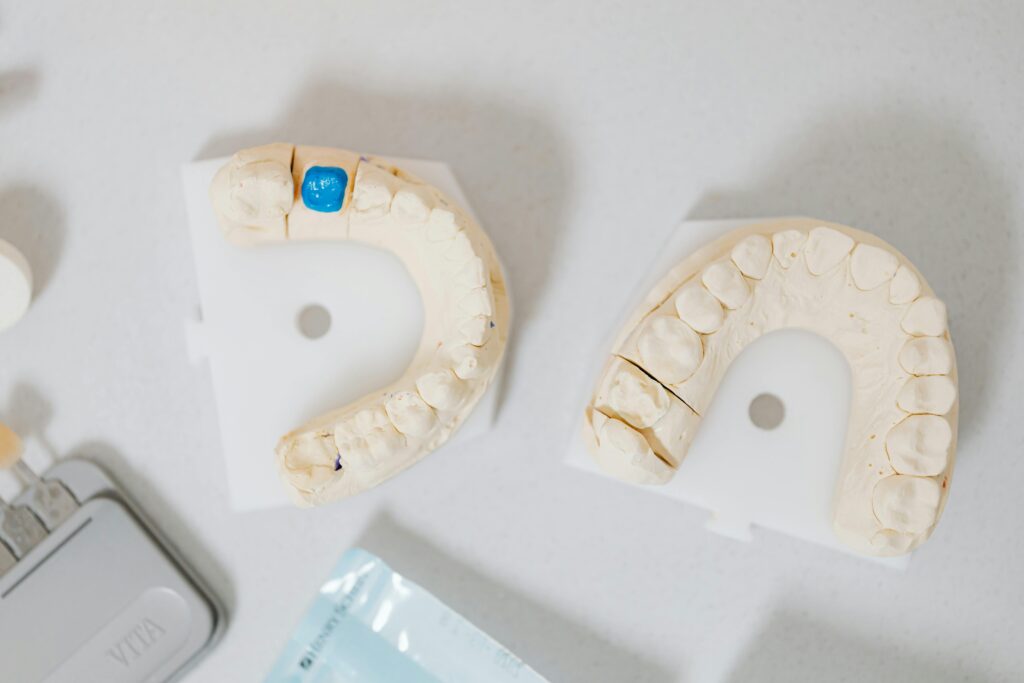
A dental crown sounds simple when you hear the phrase in passing. Many patients picture it as a cap placed over a tooth, then move on. In practice, getting a crown involves several decisions, a careful exam, tooth preparation, bite adjustment, material selection, and follow-up. When each part is handled well, the crown can protect a damaged tooth for years and feel so natural that you forget it is there.
For patients looking into Dental Crowns Oxnard CA, the process often begins with a practical question: do I really need one, or is there a more conservative option? That is the right place to start. A crown is a strong restoration, but it is not always the first choice. Good dentistry balances preservation with durability. If a tooth can be saved with a filling or onlay and still remain structurally sound, that may be the better route. If the tooth is cracked, heavily filled, root canal treated, badly worn down, or cosmetically compromised in a way that simpler treatments cannot address, a crown often becomes the most reliable answer.
What follows is the real-world sequence most patients can expect, along with the judgment calls that happen along the way.
When a dentist recommends a crown
The recommendation usually comes after a clinical exam and x-rays, not just a quick glance. A crown may be suggested when a tooth has lost too much natural structure to safely hold a large filling, or when the remaining walls are thin enough that they are likely to fracture under normal chewing forces. Molars take the brunt of that stress. A tooth that feels fine on a Monday can split on a piece of toast by Friday if the structure is already compromised.
Dentists also recommend crowns after root canal treatment in many cases, especially on back teeth. Once the nerve is removed, the tooth is no longer nourished internally in the same way, and it tends to become more brittle over time. The crown helps bind and protect it.
Cosmetic reasons matter too, though they are approached differently. A front tooth with severe discoloration, a misshapen form, or a large old restoration may be better served by a crown than by repeated patchwork bonding. Still, there is always a trade-off. A veneer preserves more tooth than a crown. Bonding is less invasive than either, but usually less durable in the long run. The right answer depends on the tooth, the bite, the patient’s goals, and how much healthy enamel remains.
In Oxnard, I have seen a common pattern among patients who put off treatment because the tooth only hurts occasionally. Intermittent symptoms can be misleading. A tooth that bothers you only when chewing nuts or biting at an angle may already have a crack extending deeper than the eye can see. Crowning at the right time can prevent a much bigger problem later, including a split tooth that cannot be saved.
The first appointment, diagnosis and planning
The first stage is not drilling. It is information gathering. Your dentist will usually evaluate the tooth visually, check the surrounding gums, test the bite, and take x-rays. If a crack is suspected but not obvious, magnification, bite tests, and transillumination may be used. Sometimes the patient’s story provides the biggest clue. Sharp pain on release after biting often points toward a crack. Lingering sensitivity to cold may suggest the nerve is inflamed. Tenderness when chewing can mean fracture, infection, ligament irritation, or a bite issue.
This is also when the dentist looks at the larger picture. A single crown can fail if it is placed into a chaotic bite. Patients who clench or grind, have edge-to-edge contact, or chew hard ice regularly place much more stress on restorations. In those cases, material choice and long-term protection become especially important. A night guard may be part of the treatment plan, not as an upsell, but because it can make the difference between a crown lasting five years and lasting fifteen.
At this stage, your dentist should explain whether the tooth is definitely restorable. That sounds obvious, but it is one of the most important judgments in crown treatment. If decay extends too far below the gumline, if a fracture reaches the root, or if the supporting bone is severely compromised, placing a crown may not be wise. There is no value in building a beautiful restoration on a poor foundation.
Choosing the type of crown
Not all crowns are the same. Patients often assume there is one standard version, yet the material can affect appearance, strength, preparation design, cost, and longevity.
Porcelain or ceramic crowns are common for front teeth because they can mimic natural translucency very well. Modern ceramics are also used on back teeth with excellent results, especially when esthetics matter. Zirconia crowns have become popular because they are strong and can work well in high-force areas. Porcelain-fused-to-metal crowns are still used in some situations, although they are less dominant than they once were. Gold and other noble metal crowns remain one of the most durable options in the right setting, even if they are less common for obvious cosmetic reasons.
There is no universal best material. A patient who grinds heavily and needs a lower molar restored may do very well with zirconia. A patient restoring a visible upper front tooth often prioritizes layered ceramic for the most natural look. Someone with limited space between the upper and lower teeth may need a material that can perform in thinner dimensions.
Shade selection matters most on visible teeth. Matching one central incisor can be surprisingly technical. Light conditions, surrounding teeth, and even hydration of the enamel can change how color is perceived. Patients sometimes come in convinced they want the brightest possible shade, only to realize later that a crown brighter than the neighboring teeth can look more artificial, not more attractive.
Preparing the tooth
The preparation visit is where the active work happens. After numbing the area, the dentist removes decay, old filling material, weakened tooth structure, and sometimes cracks that are visible once the restoration comes off. What remains must be solid enough to support the crown.
This step can be straightforward, or it can reveal hidden complexity. A tooth that looked manageable on x-ray may have more decay than expected once the old filling is removed. A cusp may crumble. A crack may extend deeper than hoped. In some cases, the plan changes mid-appointment. The dentist may place a buildup to replace missing internal structure, or recommend root canal treatment before proceeding if the pulp is exposed or irreversibly inflamed.
The tooth is then shaped so the future crown can seat properly and resist dislodgement. That shaping has to respect both biology and mechanics. Too little reduction and the crown may end up bulky or weak. Too much reduction and healthy tooth structure is sacrificed unnecessarily. Margin placement also matters. Margins hidden too far under the gum can make impressions, bonding, and long-term gum health more difficult. Margins left too visible can compromise esthetics in the smile zone. This is one of those areas where technique and judgment quietly determine whether the final result feels effortless or problematic.
Patients often ask whether the preparation hurts. With effective local anesthesia, it should not. The bigger issue is usually jaw fatigue from keeping the mouth open, particularly during longer appointments. A considerate dental team will give short breaks and check in often.
Impressions or digital scans
Once the tooth is prepared, the dentist needs an exact record so the laboratory, or in some offices the in-house milling system, can fabricate the crown. Traditionally this was done with impression material in a tray. Many practices now use digital scanning. Both methods can produce excellent results when done well.
Digital scans are popular because they are more comfortable for patients and allow the dentist to review the image immediately for missing details. That is helpful when capturing margins near the gumline. If a scan is incomplete, it can be corrected on the spot instead of discovering the problem days later at the lab stage.
For some patients, gum tissue around the tooth must be gently managed before the final record is taken. That may involve a cord or retraction paste to move the tissue aside and expose the edges of the preparation. It is a small detail, but it matters. A crown can only fit as well as the information the dentist captures.
At this point, the dentist also records the bite. Your crown must not only fit the tooth, it must meet the opposing teeth correctly. If the bite is off, the crown may feel high, create soreness, chip, or contribute to jaw tension.
The temporary crown and what it is really for
Unless the practice offers same-day crowns and the case is appropriate for that workflow, you will leave the preparation appointment with a temporary crown. Patients sometimes underestimate its role. A good temporary protects the prepared tooth, maintains spacing, supports the gum tissue shape, and gives the patient a preview of form and function.
Temporary crowns are not built for long-term durability. They are more like placeholders with a real job to do. Sticky foods can pull them off. Hard foods can crack them. Flossing straight upward can dislodge them, so patients are usually advised to slide the floss out sideways instead.
A temporary that feels rough, too tall, or loose should not be ignored. Those little problems can affect the surrounding gum tissue or allow the tooth to shift, which can complicate seating the final crown later. It is better to call the office for a quick adjustment than to wait it out and hope for the best.
During the temporary phase, some sensitivity is normal, especially to cold or pressure. What is not normal is severe throbbing, swelling, pain that wakes you up, or a temporary that repeatedly comes off. Those signs deserve prompt attention because they may point to bite trauma, a poor seal, or a tooth that needed more than a crown alone.
Fabrication, the lab phase most patients never see
Once the records are sent, the crown is made to precise dimensions. This is where a lot of invisible craftsmanship lives. A lab technician or CAD-CAM system uses the preparation data, bite records, and shade information to create a restoration that seats accurately, contacts adjacent teeth properly, and blends into the smile.
For front teeth, photographs are often extremely helpful. A skilled dentist may take images in multiple lighting conditions and note small details such as translucency near the incisal edge, surface texture, or slight asymmetries that make natural teeth look natural. Teeth are not uniform white tiles. The best crowns reflect that.
Turnaround time varies. Some crowns are delivered within a week, some longer, particularly if shade customization is involved. Same-day crowns are convenient, but convenience should not be the only criterion. Certain cases benefit from lab fabrication, especially highly visible anterior work where layered esthetics matter.
Seating the final crown
The delivery appointment is where precision becomes tangible. The temporary crown is removed, the tooth is cleaned, and the final crown is tried in. Before anything is cemented permanently, your dentist checks several things: the fit at the margins, the contact with neighboring teeth, the shade and contour, and the bite.
If the contact is too tight, floss may shred or snap. If it is too loose, food can pack between the teeth. If the bite is high by even a small amount, the crowned tooth may take more force than it should. Patients usually notice this as a tooth that feels like it hits first. Ignoring that sensation can lead to soreness, sensitivity, or even fracture.
When the crown is approved, it is cemented or bonded, depending on the material and the case design. Excess cement is removed carefully because residual cement near the gumline can irritate tissue and contribute to inflammation.
This appointment is often shorter than the preparation visit, but it should not feel rushed. A well-fitting crown usually disappears into normal function within days. A poorly adjusted one gets your attention every time you bite down.
What the first week feels like
A newly seated crown often feels a little different at first, even when it is done very well. Your tongue notices subtle contour changes that your eyes may not. Mild gum tenderness is common for a day or two, especially if the margins were close to the tissue. A tooth may also feel slightly aware when chewing while the ligament around it settles.
Patients tend to adapt quickly if the crown is correct. If, however, the bite feels off, floss catches sharply, or the tooth remains sensitive beyond the expected adjustment period, it is worth having it checked. A five-minute polishing or bite adjustment can resolve what would otherwise become a nagging issue.
One practical note I often share is this: do not judge a crown by the first few hours alone, particularly after local anesthetic. Numbness changes how your bite feels. Test it again once the anesthesia fully wears off. That said, if the tooth feels dramatically high or you cannot close comfortably, call the office.
When a crown appointment turns into something more
Dental treatment does not always move in a straight line. Teeth have a way of revealing their history only after work begins. A crown plan may expand if the dentist discovers deep decay, a crack extending into the pulp, or inadequate tooth structure to retain the restoration safely.
Here are a few situations where the process can change:
- The tooth needs a buildup because too much internal structure is missing.
- Root canal treatment becomes necessary before the crown can be completed.
- Crown lengthening is recommended if decay or fracture extends too far below the gumline.
- The tooth is found to be unrestorable and extraction becomes the more responsible option.
- A night guard is added to protect the new crown in a heavy grinder.
None of these possibilities means something went wrong. More often, they reflect the reality that dentistry works with living tissues, old restorations, and damage that may not be fully visible at the outset. Good treatment planning includes room for that uncertainty and honest communication when the plan needs to change.
How long dental crowns typically last
Patients understandably want a number. The honest answer is that crowns can last many years, often well over a decade, but their lifespan depends heavily on the starting condition of the tooth, the quality of the fit, home care, bite forces, diet, and whether recurrent decay develops around the margins.
In daily practice, I have seen crowns fail early because of unresolved bite issues or poor hygiene, and I have seen older crowns still functioning after fifteen to twenty years. The crown material matters, but so do the habits around it. A beautifully made restoration cannot compensate for chronic grinding, neglected gums, or frequent chewing on pens and ice.
The tooth underneath the crown still needs care. A common misunderstanding is that a crowned tooth is somehow sealed forever. It is not. Decay can form at the margin if plaque accumulates, especially where the crown meets the natural tooth near the gumline.
Caring for a crown so it stays comfortable and stable
Most crown aftercare is refreshingly ordinary. Brush thoroughly, Dental Crowns Oxnard CA omnidentalspecialty.com floss daily, and keep regular dental visits. The key is consistency. The crown itself cannot decay, but the exposed root or tooth structure at its edge can.
A few habits make a significant difference over time:
- Clean along the gumline carefully, not aggressively.
- Avoid using your teeth as tools for packages, bottle caps, or fingernails.
- Be cautious with very hard foods if you grind or have multiple restorations.
- Wear a night guard if your dentist recommends one.
- Report persistent sensitivity or a loose feeling early.
The patients who do best with Dental Crowns Oxnard CA are usually not the ones with perfect teeth. They are the ones who respond early when something feels different, maintain routine care, and understand that crowns are durable restorations, not indestructible parts.
Why local experience matters in crown treatment
Every community has patterns in patient needs. In Oxnard, dentists often treat a mix of long-postponed restorative work, older large fillings from years past, cosmetic concerns, and bite wear related to stress or grinding. That mix influences how crown cases are diagnosed and managed.
A dentist who places crowns regularly develops a feel for small but critical details, how much tooth to preserve, when a crack is too risky to ignore, how to design a crown for a strong biter, when a cosmetic case needs extra lab communication, and when it is smarter to pause and address gum health or root canal issues first. Patients may never see those judgments directly, but they experience the result every time they chew comfortably on a restoration that simply works.
A crown should not feel mysterious. It is a methodical process built around diagnosis, preparation, precise records, careful fabrication, and fine adjustment. When done properly, it restores more than shape. It restores confidence in biting, comfort in daily eating, and often the sense that a vulnerable tooth is no longer one bad meal away from breaking. That is the real value behind the procedure, and why thoughtful planning matters so much from the first exam to the final polish.
Omni Dental Specialty
1690 E Gonzales Rd
Oxnard, CA 93036, United States
Phone: +1 805-410-9603
FAQ About Dental Crowns Oxnard CA
What is the average cost of a crown in California?
The fee depends on the crown material, tooth condition and any additional treatment. Request an itemized estimate from Omni Dental Specialty after an examination, and confirm insurance benefits before scheduling.
How long do dental crowns last?
Longevity varies with the material, fit, oral hygiene and biting habits. Regular dental reviews help identify wear, damage or decay. A crown does not need replacement solely because it reaches a particular age.
Do teeth go bad under crowns?
Decay can develop in the remaining natural tooth, particularly near the crown margin. Brush with fluoride toothpaste, clean between teeth daily and keep dental appointments. Report new pain or looseness promptly.
Which crown is best for bruxism?
No material suits everyone. Your dentist assesses grinding, tooth position, bite forces and appearance before recommending a crown. A protective appliance may also be recommended to manage stress on the restoration.