Common Materials Used for Dental Crowns
@stephenrzhn314
October 27, 2026 · 16 min read
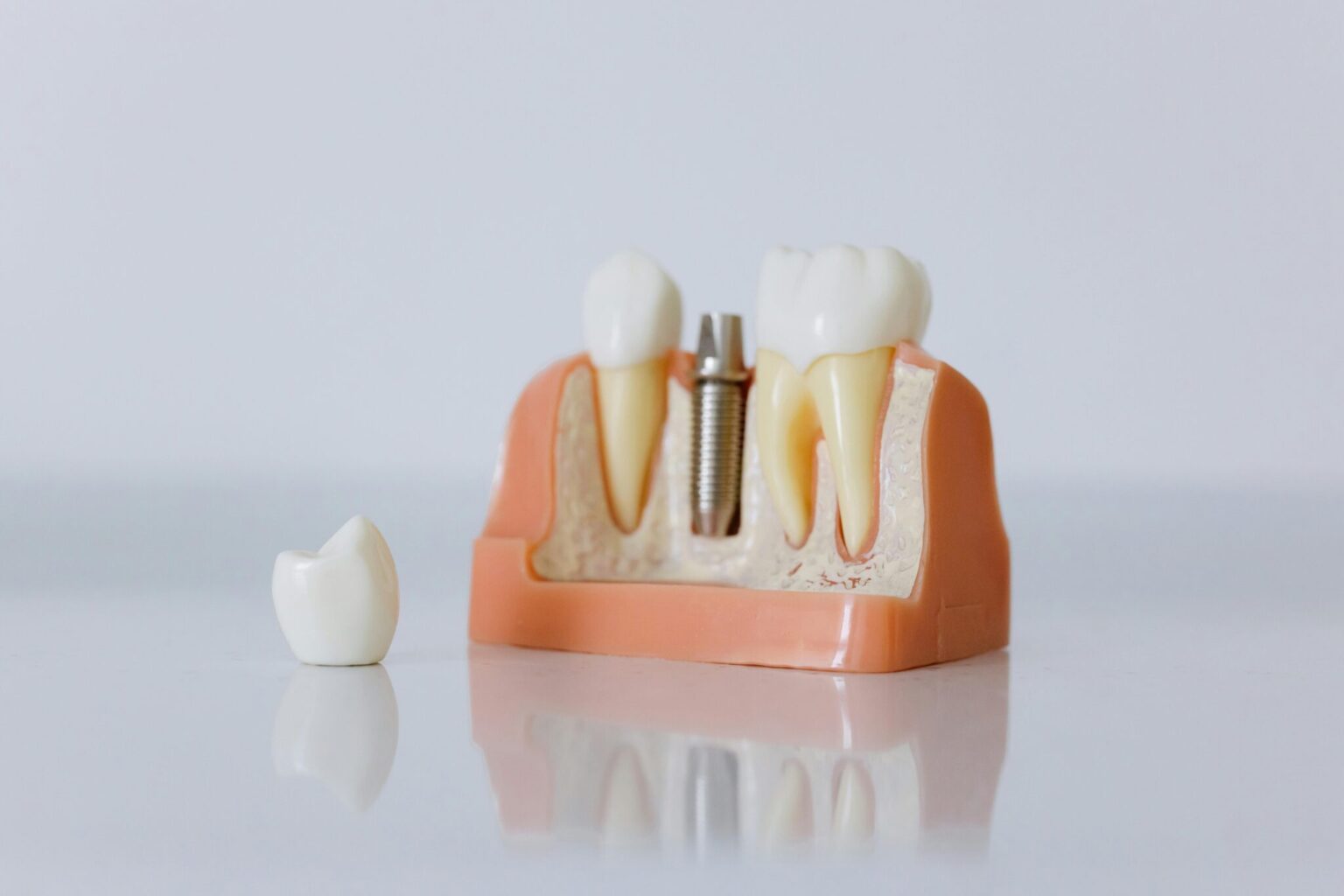
When a tooth has lost too much structure to function reliably on its own, a crown often becomes the most predictable way to restore it. That sounds straightforward, but the material chosen for the crown can change everything from how natural it looks to how long it lasts under pressure. In practice, material selection is rarely about picking the "best" crown in the abstract. It is about matching the restoration to the tooth, the bite, the patient’s habits, and the patient’s priorities.
A front tooth and a lower molar live very different lives. A patient who grinds at night presents a different challenge than someone with a light bite and excellent enamel. A crown for a root canal treated premolar has different demands than a crown placed on an implant. These distinctions matter, and they often explain why two patients sitting side by side in the same office may receive very different recommendations.
Dental Crowns have changed significantly over the past couple of decades. The days when nearly every posterior tooth received a full metal or porcelain fused to metal crown are largely behind us in many practices. Stronger ceramics, better bonding systems, and digital workflows have expanded the options. Still, the older materials have not disappeared for a reason. They continue to solve certain problems exceptionally well.
Why crown material matters more than patients expect
Many patients assume a crown is simply a cap made to look like a tooth. Clinically, it is much more than that. The material determines how much tooth structure must be removed, how the lab will shape the margins, how the crown will wear against the opposing teeth, and how it responds to force over time.
A strong material is not automatically the right one. Strength can come with opacity, and opacity can be a poor fit in the smile zone. A beautiful translucent ceramic may look exceptional on an upper central incisor but be a questionable choice for a patient who clenches heavily on a second molar. The right answer usually sits where biology, mechanics, and aesthetics overlap.
There is also the question of failure mode. Some materials can chip. Others can wear down the opposing teeth if polished poorly. Some tend to show dark margins if gum recession occurs years later. Others are extremely conservative because they require less reduction. When dentists weigh crown materials carefully, they are thinking beyond the day of delivery. They are trying to picture what that restoration will be doing five, ten, or fifteen years from now.
The main categories patients are most likely to hear about
Most discussions around Dental Crowns center on a handful of material families: all ceramic crowns, porcelain fused to metal crowns, full cast metal crowns, and crowns made with newer monolithic ceramics such as zirconia. Within each family there are variations, but those broad categories cover the vast majority of cases.
What often surprises patients is that the same material can perform very differently depending on design, thickness, location in the mouth, and the quality of the bite adjustment. A beautifully made zirconia crown that is poorly adjusted can create problems. A porcelain fused to metal crown, a design some now consider old fashioned, can still serve a patient for many years if placed well and chosen for the right indication.
All porcelain and other all ceramic crowns
The phrase "porcelain crown" is commonly used by patients to mean any tooth colored crown, but in clinical dentistry it helps to be more precise. All ceramic crowns include several materials, each with its own strengths and limitations. These crowns contain no metal substructure, which makes them appealing where appearance matters.
One of the biggest advantages of all ceramic restorations is light behavior. Natural teeth are not flat white objects. They transmit, reflect, and diffuse light in subtle ways. Well chosen ceramics can mimic that effect far better than crowns with metal underneath. For front teeth, that can make a dramatic difference.
Earlier generations Dental Crowns of esthetic ceramics were beautiful but brittle. Dentists had to balance appearance against a real risk of fracture, particularly in patients with heavy bites. Modern ceramics improved that equation, but they did not eliminate it. Material selection still requires judgment.
Feldspathic porcelain and layered ceramics
At the highly esthetic end of the spectrum, layered ceramics can produce exceptional results. A skilled ceramist can build subtle translucency, incisal halo effects, and surface texture that blend almost seamlessly with adjacent natural teeth. These restorations are often used in cosmetic cases where matching a single front tooth is the priority.
The trade off is that highly esthetic layered ceramics can be more delicate. They are technique sensitive from preparation through bonding, and they are less forgiving in patients who grind or clench. In the right case they can be outstanding. In the wrong case they become a maintenance issue.
I have seen single central incisors restored so naturally with layered ceramic that even under close examination the crown was difficult to distinguish from the neighboring tooth. I have also seen beautifully layered restorations chip at the edge because the patient had an undiagnosed parafunctional habit. Both outcomes came from good materials, but only one reflected a good match between material and mouth.
Lithium disilicate
Lithium disilicate, often recognized by brand names patients hear in consultations, occupies a useful middle ground. It offers better strength than more delicate esthetic porcelains while maintaining excellent translucency and appearance. For many anterior teeth and premolars, it is a very attractive option.
This material also works well in situations where adhesive bonding can be used to support the restoration. That matters because bond strength can improve the overall performance of the crown, especially when the remaining tooth structure is limited but still favorable for bonding.
Lithium disilicate is not the automatic answer for every case. In a patient with a very strong bite, especially on molars, many dentists lean toward tougher materials. Thickness matters too. If there is not enough space to create a crown of adequate thickness without over reducing the tooth, the plan may need to change.
Zirconia crowns
Zirconia has become one of the most commonly discussed materials in modern crown dentistry, especially for posterior teeth. Its reputation comes largely from strength. Monolithic zirconia crowns, milled from a single block rather than layered with more fragile porcelain, can handle substantial force and have reduced the chipping problems that affected some earlier crown designs.
This has made zirconia particularly popular for molars, for patients with bruxism, and for cases where durability matters more than a highly translucent cosmetic finish. It is also useful where space is limited because certain zirconia formulations can function at thinner dimensions than some other ceramics, though preparation design still has to respect the manufacturer’s guidelines and the realities of the case.
That said, zirconia is not one single material in a practical sense. There are more opaque high strength versions and newer, more translucent versions developed to improve esthetics. As translucency increases, strength characteristics can shift. This is one reason material names alone do not tell the whole story. Two zirconia crowns can behave differently depending on the specific product and how it was fabricated.
Another point worth mentioning is wear. Early conversations around zirconia sometimes focused on whether it would be too hard on opposing teeth. The more accurate clinical concern is often not simply the material’s hardness, but the quality of the surface finish. A well polished zirconia crown is generally kinder to opposing enamel than a rough or poorly glazed surface. Polishing after occlusal adjustments is not a cosmetic detail. It is part of protecting the opposing dentition.
For many back teeth, zirconia is now the practical workhorse. It is not always the prettiest material for demanding smile cases, but it often gives dentists a reliable solution where function dominates the decision.
Porcelain fused to metal crowns
For years, porcelain fused to metal, often shortened to PFM, was the standard crown in many practices. The concept is simple: a metal coping provides strength, and porcelain is layered over it for tooth colored appearance. PFM crowns can still perform very well, and there are cases where they remain an excellent choice.
Their long clinical track record counts for something. Many older patients still have PFM crowns that have functioned for a decade or more. When well designed, these crowns combine mechanical reliability with acceptable esthetics, especially outside the most visible areas of the smile.
The downside is that metal can complicate the appearance. Even when the crown initially looks good, gum recession over time may reveal a dark line near the margin. In highly esthetic zones, that can become a significant concern. The metal substructure can also reduce the depth and vitality of the color compared with an all ceramic crown.
There is also the issue of porcelain chipping. When porcelain is layered over a stronger substrate, the veneering ceramic can become the weak point under certain loading conditions. This does not happen in every case, but it is one reason monolithic materials have become more popular for posterior use.
PFM crowns still make sense in selected situations. They can be useful when a dentist wants the combination of a strong framework and an esthetic surface, particularly if case conditions favor that design and the patient understands the long term esthetic limitations. They are not obsolete. They are simply no longer the default choice they once were.
Full cast metal crowns
Patients do not usually ask for gold colored crowns, but dentists still respect full cast metal restorations, especially gold alloys, for good reason. In terms of fit, durability, and kindness to opposing teeth, well made cast metal crowns have a long and impressive history.
Gold alloys are especially forgiving in the mouth. They can be milled or cast with very precise margins, they wear in a way that is compatible with opposing enamel, and they tend to require less tooth reduction than some ceramic alternatives. On heavily loaded molars that sit far back in the mouth, they remain one of the most durable restorations available.
Their drawback is obvious: appearance. Most patients simply do not want visible metal, even if the tooth is only occasionally seen. Base metal crowns are another category, but they do not carry the same favorable wear characteristics and biocompatibility profile associated with high noble or noble gold alloys.
There is a certain irony here. The material many dentists admire most from a purely functional standpoint is often one of the least popular with patients. If aesthetics were removed from the equation, full cast gold would still win a surprising number of treatment planning debates for posterior teeth.
Resin based and temporary crown materials
Not every crown in the mouth is meant to serve for many years. Temporary crowns are commonly made from resin based materials that protect the prepared tooth while the final restoration is being fabricated. These materials are not long term substitutes for definitive crowns, but they matter more than patients realize.
A good temporary crown should seal the tooth, maintain position, preserve gum health, and allow the patient to function comfortably for the short interim period. A poorly fitting temporary can lead to sensitivity, gum inflammation, tooth movement, or a final impression that no longer reflects stable tissue. In other words, temporary materials play a support role, but not a trivial one.
There are also resin based definitive crowns used in certain limited circumstances, particularly when cost constraints, short term service needs, or specific provisional treatment phases are involved. They can be useful, but they are generally less wear resistant and less durable than metal or ceramic options for long term use.
How dentists match materials to different teeth
The location of the tooth is one of the strongest predictors of which material will work best. Front teeth demand esthetics first, but they still need strength. Premolars live in the transition zone where appearance and chewing forces both matter. Molars bear the highest loads and tend to reward durable, forgiving materials.
An upper central incisor in a patient with a high smile line often pushes the plan toward a more translucent all ceramic option. A lower first molar in a patient who fractures fillings and wears night guards through likely points in a different direction. The material choice is not arbitrary. It reflects the physics of that area of the mouth.
Bite pattern matters just as much as tooth position. A patient with edge to edge anterior contact creates forces on front teeth that can challenge certain ceramics. Someone with a deep bite may place intense stress on the lingual surfaces of upper anterior crowns. In those cases, the crown material and design need to account for the contact pattern, not just the shade match.
The role of tooth preparation and cementation
Even the best material can fail if the tooth is prepared poorly. Crown materials have specific design requirements. Some need more bulk for strength. Some perform best with rounded internal line angles. Some depend more on bonding, while others can be conventionally cemented with excellent results.
This is one reason crown consultations sometimes sound more complicated than patients expect. The material cannot be chosen in isolation from the tooth. If there is very little remaining enamel, bonding reliability may change. If the margin sits deep near the gum, moisture control may be harder, which can influence the preferred cementation approach. If a root canal treated tooth is badly broken down, the discussion may involve a post, a core, ferrule effect, and how the final crown material fits into the broader restorative design.
From a practical standpoint, the best crown is rarely just the strongest or the prettiest. It is the material that fits the preparation, supports a clean margin, can be cemented predictably, and functions without overloading the tooth or the opposing dentition.
When appearance drives the decision
For visible teeth, color matching is only part of the challenge. Natural teeth have depth, translucency at the edge, subtle developmental texture, and variation in hue from the gumline to the incisal edge. Patients often notice a mismatch even when they cannot explain what looks off.
This is where all ceramic materials, especially those with favorable optical properties, tend to shine. A single front tooth crown beside untouched natural teeth is one of the more demanding restorative tasks in dentistry. The closer the adjacent teeth are to ideal and unrestored, the more revealing any discrepancy becomes.
Photographs, shade mapping, and communication with the lab become essential here. Some of the best anterior results come from careful collaboration between the dentist and a ceramist who understands not just color, but character. Material selection matters, but artistry matters too.
When strength takes priority
On the other end of the spectrum are cases where mechanics clearly dominate. A patient with worn dentition, enlarged chewing muscles, cracked teeth, and a history of breaking restorations is not the place to make a purely cosmetic decision. Strength, thickness, occlusal design, and protective measures such as a night guard become central.
In these patients, monolithic zirconia often enters the conversation quickly, particularly for posterior Dental Crowns. Full cast metal may still be the best functional answer in select cases, especially if visibility is limited and the patient values longevity over appearance. The details matter. A crown can be made from a strong material and still fail if the bite is left too high or if the overall force system in the mouth is not addressed.
Cost differences and what they usually reflect
Patients frequently ask why one crown costs more than another when both restore a single tooth. The answer is usually not just the raw material itself. Cost often reflects laboratory complexity, time required for customization, digital versus traditional workflows, bonding requirements, and the expertise involved in esthetic finishing.
A highly customized anterior ceramic crown may involve more artistic lab work than a straightforward monolithic posterior crown. Metal alloy content can also influence price, especially when high noble alloys are used. These differences do not mean the more expensive crown is automatically better. They usually mean the crown was built to solve a different kind of problem.
It is reasonable for patients to ask what they are paying for. In a good consultation, the explanation goes beyond brand names. It connects the material choice to the tooth’s location, the expected stresses, esthetic goals, and the long term maintenance picture.
Questions that genuinely help patients choose
A productive discussion around crown materials often comes down to a few practical points:
- Is this tooth in a highly visible area or mostly hidden when I smile?
- Do I grind or clench, or have I broken dental work before?
- How important is the most natural appearance compared with maximum durability?
- How much healthy tooth structure remains?
- Will this crown oppose natural enamel, another crown, or an implant restoration?
Those questions tend to move the conversation from abstract preferences to real clinical trade offs. They also help patients understand why a recommendation might differ from a friend’s experience, even if both needed a crown.
No single material wins every case
If there were one perfect crown material, restorative dentistry would be much simpler. Instead, there are materials that excel under certain conditions and disappoint under others. All ceramic crowns can be beautiful and lifelike. Zirconia can be exceptionally strong and practical. Porcelain fused to metal crowns still offer a proven middle ground in selected situations. Full cast metal remains one of the most durable choices ever developed for posterior teeth.
The skill lies in matching the material to the mouth, not in chasing the newest option by default. Good crown dentistry is less about trend and more about fit, force, biology, and expectation. Patients usually do best when they ask not just, "What is the strongest crown?" Or "What looks best?" But "What makes the most sense for this tooth, in my mouth, over time?"
That is the question experienced dentists answer every day, and it is why material choice for Dental Crowns still deserves careful thought.
Omni Dental Specialty
1690 E Gonzales Rd, Oxnard, CA 93036, United States
+1 805-410-9603
FAQ About Dental Crowns
How long do crowns last on teeth?
A dental crown often lasts about five to fifteen years, although some last longer. Material, the underlying tooth, oral hygiene and grinding habits affect longevity. Regular dental examinations help identify wear, decay or a loose crown; no lifespan is guaranteed.
How much does a tooth crown cost?
There is no single price for every crown. Material, laboratory work, the condition of the tooth and any additional treatment affect the fee. Ask for a written estimate and confirm your insurance benefits, exclusions and out-of-pocket costs before treatment.
What is the downside of crowns on teeth?
A conventional crown usually requires irreversible removal of some tooth structure. Possible problems include sensitivity, chipping, loosening and decay at the crown margin; some teeth later need root canal treatment. Discuss your tooth's condition, material choices and suitable alternatives with your dentist.